

Climate Kitchen Vol.25
‘How to raise an adventurous eater’ + a reader question about doing laundry while cutting your energy bill, and our favorite reads.


Welcome to Vol. 25!
In the Lunar calendar, the new year starts next week, and we’re galloping into the Year of the Horse with urgency in our stride and climate resilience on our minds.
In this issue, Sonalie is back with another entry in her essay series on how to raise an adventurous eater, and she also tackles a question about doing laundry smarter to save on rising energy costs, while Sophie shares her favorite reads of the month.
Enjoy!
-Sonalie, Sophie & Nico
In the Lunar calendar, the new year starts just about now, and we’re galloping into the Year of the Horse with urgency in our stride and climate resilience on our minds.
In this issue, Sonalie is back with another entry in her essay series on how to raise an adventurous eater, and she also tackles a question about doing laundry smarter to save on rising energy costs, while Sophie shares her favorite reads of the month.
Enjoy!
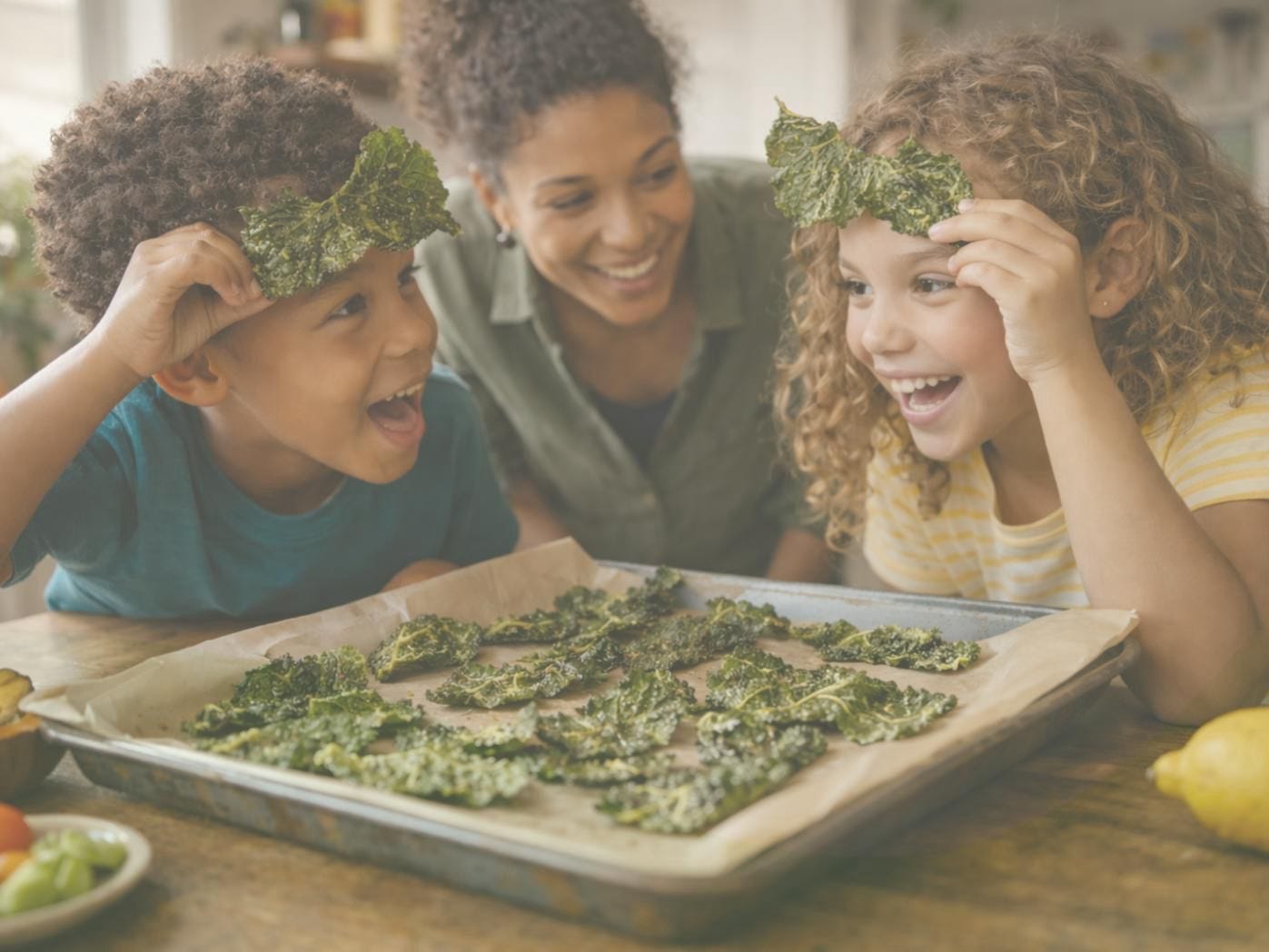
How To Raise An Adventurous Eater
By Sonalie Figueiras
Note on this Series — “How To Raise a Climate-Smart Eater”: All of these thoughts below are meant to be suggestions and openings, not hard and fast rules. They come from me processing how I want to raise my kids on the topic of eating. They are not meant to cause any stress or anxiety, or hold folks up to an unreachable ideal. There are days when my kid will only eat cereal. There are days when my baby refuses all pureed veggies. It’s a journey and it’s messy. We do the best we can, and we celebrate that.
I used to think raising an adventurous eater was about the food—exotic spices, unfamiliar vegetables, a relentless parade of newness. I imagined my kids casually eating kimchi and sardines while their peers survived on buttered pasta. The reality, of course, is far less glamorous. It’s less about the destination and more about surviving the journey, which involves a lot of grimaces, spit-out bites, and the phrase “just lick it” uttered more times than I ever thought possible. The goal isn’t to create a tiny food critic, but to nurture a sense of curiosity that outlasts the inevitable picky phases.
The biggest obstacle to adventure isn’t a child’s palate; it’s our own fear of wasted food and wasted effort. After a long day, the last thing I want to do is lovingly prepare a new dish only to have it rejected without a second thought. It’s tempting to retreat to the “safe” rotation of five accepted meals. But I’ve learned that adventure doesn’t have to be a big production. Sometimes it’s just adding a new herb to a familiar soup, letting them build their own taco with weird toppings, or buying a single, strange-looking fruit to dissect together after school. The key is decoupling the experiment from the pressure of dinner. A failed try can be a funny story, not a failed meal.
This bumps right up against all our other food values, of course. How do you prioritize adventurousness when you’re also trying to be budget-conscious, low-waste, and climate-smart? I’ve had to make my peace with the fact that some new ingredients will end up in the compost. The trade-off is a long-term one: a kid who is flexible and curious is a kid who can eat joyfully anywhere in the world, and who is more likely to embrace the diverse, plant-forward, whole foods we want at the center of our table. It’s about building a relationship with food that is defined by “what if?” instead of “no thanks.” And sometimes, the greatest adventure is watching them rediscover and finally love a food they swore they hated six months ago. Plus, long-term, a kid who enjoys eating and develops a positive relationship with cooking and trying new foods is likely to be someone who values food and is careful not to waste it!
A Few Practical Tips for Expanding Horizons (Without Losing Your Mind)
The “No Thank You” Bite Rule. One polite bite. No drama, no forcing. Consistency here builds bravery over time.
Make it a Sensory Game, Not a Meal. Explore a new food at snack time or during cooking. Talk about its color, smell, and texture before its taste.
Give Them Naming Rights. Let them give a silly name to a new dish. “Dragon Scales” (kale chips) are much more exciting than kale.
Connect Food to Stories. Talk about where a dish comes from, who eats it, or a memory you have with it. Context creates curiosity.
Model Your Own Adventures. Let them see you try something new, react honestly, and try again. Your willingness is their best blueprint.
It’s a slow, messy process of planting seeds. Onwards!
🌱 Like what you read? → Subscribe and share it with friends, family, colleagues, neighbors, the parents at your kid’s school…anyone you think is looking for a little climate-smart food inspiration!
Our Favorite Reads
Curated by Sophie Egan
In every issue, we share 3-5 good reads— think: the best climate-smart shopping/eating/nutrition advice and thought-provoking essays.
“Kennedy Is Promoting Steak and Whole Milk. Should I Change How I Eat?” Since the new Dietary Guidelines for Americans (DGAs) were released on January 7, Sonalie and I have read more analyses, fact-checks, and other articles on their implications than we know what to do with. But this New York Times piece by Alice Callahan stands out for its synthesis of clear, crisp, science-backed answers to many of the most top-of-mind questions you’re likely to have.
“The real reason your children can’t avoid added sugar.” I’ve followed and admired Priya Fielding-Singh’s work for many years (you might be interested in her book, How the Other Half Eats), and in this Boston Globe piece, she expertly outlines many of the tensions that parents feel when navigating not only the new guidelines but the swamp of food products that are directly at odds with those guidelines. The new DGAs recommend zero added sugar for children until age 11. The previous age was 2. She sums up my reaction perfectly: “Having seen firsthand how pervasively added sugar is woven into everyday childhood, I know that cutting it from kids’ diets through age 10 would be extraordinarily difficult — not because parents don’t care or understand the health benefits, but because we are raising children in a food environment where added sugar is almost always the default.” As CK readers, you can likely relate. It is beyond an uphill battle to keep sugar from entering your child’s body. It’s a losing one. The American food environment is simply not designed for this to be possible. Zooming out, it’s reflective of the larger challenge we all face: The DGAs’ advice to “Eat Real Food” is only possible if real food exists throughout the marketplace. Everywhere. Not just for those willing to sleuth it out or who can afford to pay extra for it, but, in Priya’s words, as the default. So for now, don’t beat yourself up for inevitably failing at this task to abstain from sugar altogether; over time, hopefully, food companies will hear the demand signals loud and clear for healthier, more whole and minimally processed foods.
Now, for a dose of cheer: “The Cafeteria as Classroom.” Though it was written over two years ago, this FERN piece by Bridget Huber made me smile. Not only does it tell a great story about how food waste reduction efforts can change cultural norms in K-12 schools, but it reminded me of the great resources that World Wildlife Fund has for educators and parents who want to help their school get more proactive on minimizing wasted food. From lesson plans and a business case for food waste reduction to information on bulk milk and a guide for conducting a food waste audit, WWF helps schools empower students to be Food Waste Warriors.
Your Questions - Answered!
Send us all your questions here.
“Dear Climate Kitchen, with rising energy costs, what’s the best routine for washing kids’ clothes to cut emissions and extend garment life?”
With rising energy costs affecting all of us, tweaking your kids’ (and your own) laundry routine can slash emissions by up to 90% on water heating alone while doubling garment life, a win-win for your wallet and the planet. The key is washing smarter: only when truly needed (spot-clean stains, air out between wears), always in cold water (under 30°C/86°F), full loads on short/eco cycles, and ditching the dryer for air-drying.
Daily Habits
Turn laundry day into a weekly event:
Sort by color and fabric (delicates inside out);
Pre-treat kid messes with a baking soda paste;
Use eco-detergent sparingly (1 tsp max) to cut chemical runoff and microplastics;
Add a Cora Ball or use a Guppyfriend Washing Bag to filter for synthetics;
Air-dry on racks indoors—for those living in humidity: fans help—or lines outside (because sunlight naturally disinfects).
Long-Term Gains
These steps extend clothes’ lifespan by 50%+ via less fiber wear, meaning fewer buys and less waste, perfect for growing kids, not to mention the time-saving (less laundry!). Expect 30-50% lower bills, plus fresher air for family health. PS: If upgrading, front-loader machines sip less energy, and secondhand natural fibers (cotton, linen, silk, wool) are the least-toxic choice when you need new items.
-Sonalie Figueiras
If you are new here, WELCOME. It’s worth checking out our first edition to find out more about why we started this newsletter and who we are, as well as to learn about our food values — “What is climate-smart kid food?”
We are always open to feedback and suggestions on what to cover, what you like, and what you don’t like — tell us everything:
Have a burning question for Climate Kitchen? In our ”Your Questions—Answered!” section, we answer reader queries — send us yours here.
Such an important rinder, that family food should be simple yet fun and playful 🐉